






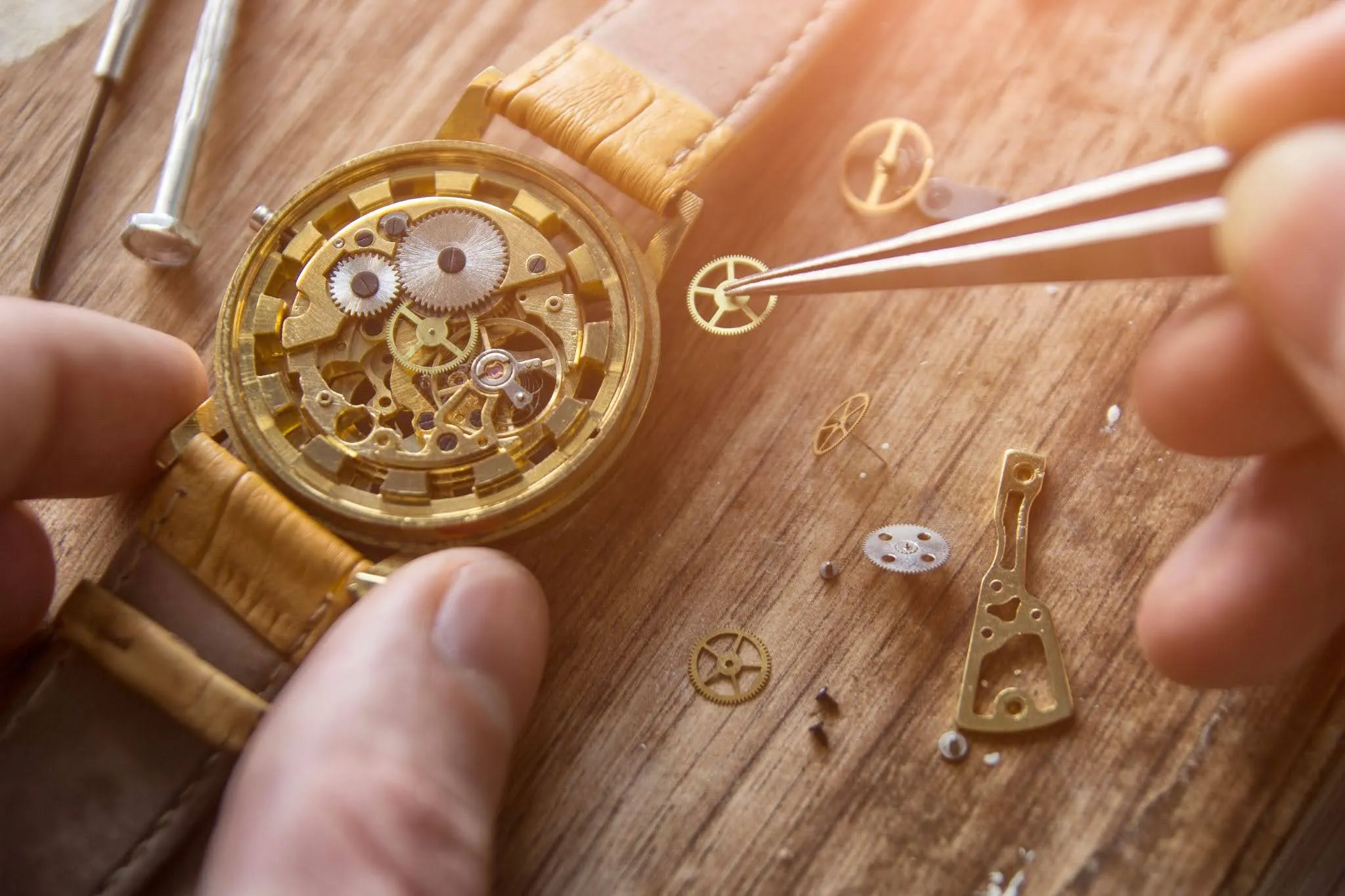
A well-maintained watch isn’t just an accessory; it’s a precision instrument designed to last a lifetime or even longer. Regular servicing ensures that your watch continues to tick accurately and reliably. But how do you know when to service your watch, and what does the process involve?
This guide will answer those questions and more, so you can keep your watch in impeccable condition for years to come. Enjoy!
Why Service Your Watch?
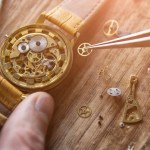
Your watch is a marvel of engineering, with dozens (or even hundreds) of moving parts working in harmony. The components can wear down without regular maintenance, affecting its accuracy, functionality, and lifespan.
Regular servicing is essential for maintaining your watch’s longevity, performance, and value. By addressing internal wear and environmental buildup, it ensures that your timepiece remains reliable and beautiful for years to come.
One of the most important benefits is the prevention of internal damage. Over time, the lubricants inside a watch begin to dry out, increasing friction among the delicate components. This friction can accelerate wear and ultimately damage the movement. Servicing your watch involves thoroughly cleaning and re-oiling these mechanisms, helping to avoid costly repairs down the line.
Another key advantage is maintaining accuracy. Accumulated dust, dirt, or worn parts can interfere with the movement, causing the watch to gain or lose time. Through routine maintenance, these issues are addressed, keeping your timepiece precise and dependable.
How Often Should You Service Your Watch?
The frequency of watch servicing largely depends on the type of watch you own and how you use it. While manufacturers often recommend service intervals, your lifestyle and habits might also play a role.
- Mechanical Watches
For manual or automatic watches, manufacturers typically recommend servicing every 3 to 5 years. This ensures that oils don’t dry out and gears stay well-tuned.
- Quartz Watches
Unless there’s a battery issue, these generally require less frequent servicing, every 5 to 7 years.
- Luxury and Vintage Watches
High-end or antique timepieces might benefit from even more regular check-ups, and should only be handled by watch specialists.
Signs Your Watch Needs Servicing
Even when you follow the recommended service intervals, your watch might still show signs that it needs attention sooner. Staying alert to these signals can help prevent more serious issues and extend the life of your timepiece.
One of the most common signs is a loss of timekeeping accuracy. If your watch starts losing or gaining time, it likely means the movement is no longer functioning optimally and may require adjustment or repair.
Another warning sign is the appearance of fog or condensation under the glass. This suggests that moisture has entered the case, which can damage the internal components and compromise the effectiveness of the seals. Water damage can be particularly harmful if not addressed quickly.
Unusual noises, such as clicking, grinding, or louder-than-normal ticking, are also red flags. These sounds can indicate mechanical problems within the movement, potentially caused by dried lubricants, loose parts, or wear.
If specific functions, such as the date display, chronograph, or stopwatch, stop working, that’s a strong indication that your watch needs professional servicing. These features rely on intricate components that may fail if not properly maintained.
The Watch Servicing Process
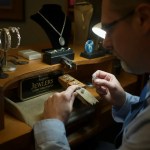
Curious about what happens when you hand over your watch for servicing? Here’s a step-by-step look at a typical watch servicing appointment:
1. Preliminary Inspection
The watchmaker examines the timepiece visually, assessing external wear, identifying obvious issues, and deciding on necessary services.
2. Disassembly
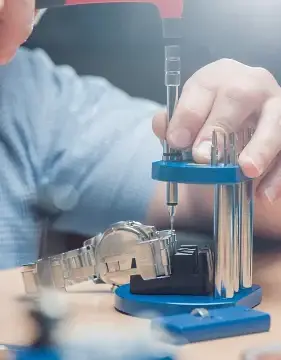
The watch is carefully disassembled, with each component, including the case, strap, and internal movement, separated.
3. Cleaning and Lubrication
The internal mechanisms are cleaned using ultrasonic baths and re-lubricated with high-grade oils to reduce friction and wear.
4. Component Replacement
Worn or damaged parts, such as gears or seals, are replaced to restore functionality and water resistance.
5. Reassembly and Testing
The watch is meticulously reassembled and tested for timekeeping accuracy, water resistance, and overall performance before being returned to you.
DIY vs. Professional Servicing
With countless online tutorials and how-to videos available, it can be tempting to try servicing your watch yourself. However, watch movements are incredibly delicate, and even minor mistakes can lead to irreversible damage. Without the proper expertise, a well-intentioned DIY attempt can quickly turn into a costly error.
There are several reasons why trusting a professional is the smarter, safer choice. First and foremost, expert watchmakers have access to specialized tools designed specifically for precision timepieces. These instruments allow for careful disassembly, cleaning, and reassembly without compromising the integrity of the components.
In addition to the right tools, professionals bring years of experience and technical training. This knowledge equips them to navigate the complexities of modern and vintage movements, ensuring accurate and thorough servicing.
Most importantly, professional servicing helps preserve the value of your watch. A poorly executed repair, especially on a luxury or collectible model, can significantly diminish its worth. In contrast, documented professional maintenance enhances both performance and resale potential.
Avoid the risks and save yourself the hassle. Trust skilled professionals like Sieger’s Jewelers for reliable, expert watch servicing that protects your timepiece for the long run.
Protect Your Timepiece Today
A well-maintained watch is more than a timekeeper; it’s a symbol of history, style, and craftsmanship. At Sieger’s Jewelers, we combine decades of experience with cutting-edge care to make sure your watch remains in perfect condition. Visit our showroom today or book your next service online.