



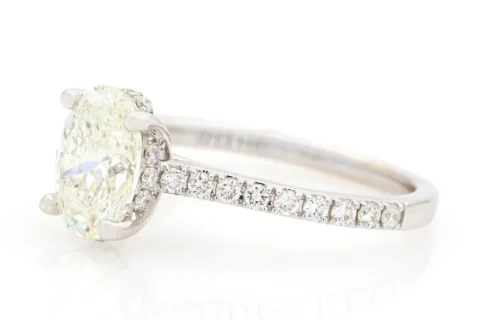
Natural vs. Lab‑Grown Diamonds: What Beaver County Shoppers Should Know (From Sieger’s Jewelers)
If you have been shopping for an engagement ring or anniversary ring, you’ve probably noticed how much the diamond world has changed. Customers from Beaver, Rochester, Chippewa, Monaca, Moon, Hopewell, Coraopolis, Cranberry Township, Wexford, Sewickly, Pittsburgh and even across the Ohio line walk into Sieger’s Jewelers asking the same big question:
“Should I buy a natural diamond or a lab‑grown diamond?”
As a local jeweler serving Beaver County for generations, we’ve watched this conversation evolve — and we help customers compare both options every single day. Here’s a clear, honest breakdown to help you choose the diamond that fits your style, your values, and your budget.
What Is a Natural Diamond?
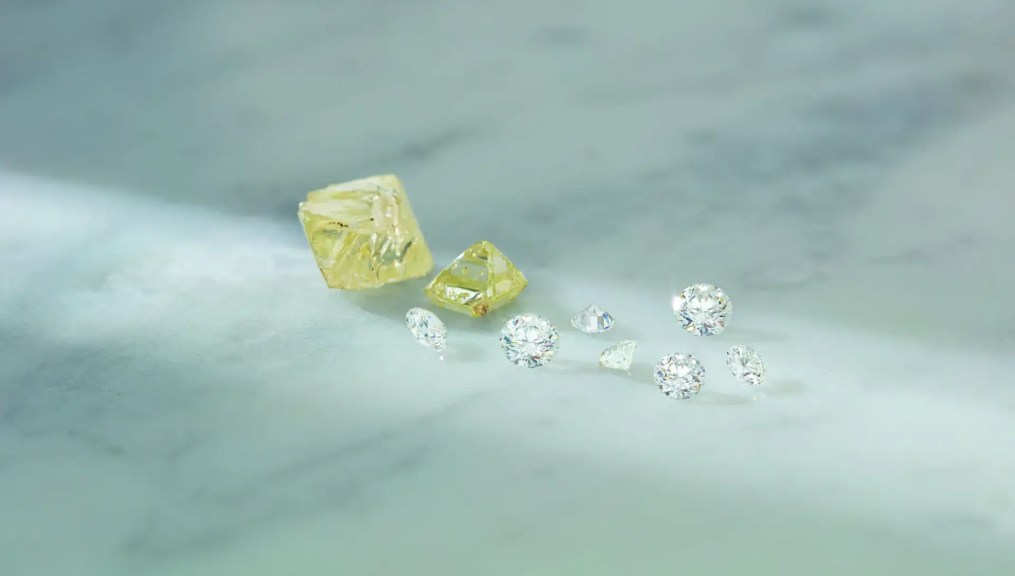
A natural diamond is a piece of the Earth’s history. It forms deep underground over millions of years before being brought to the surface through volcanic activity. Every natural diamond is one‑of‑a‑kind — no two are ever identical.
Why Beaver County customers choose natural diamonds
- They want a traditional stone with long‑term value
- They appreciate rarity and natural origin
- They’re choosing a diamond for a milestone moment
Natural diamonds remain the classic choice for engagements, anniversaries, and heirloom pieces.
What Is a Lab‑Grown Diamond?
A lab‑grown diamond is a real diamond created using advanced technology that replicates the same conditions found deep in the Earth. It has the same sparkle, same durability, and same chemical structure as a mined diamond — just grown above ground instead of below it.
Why lab‑grown diamonds are popular in Beaver County
- They cost significantly less
- You can get a larger stone for the same budget
- They appeal to eco‑conscious buyers
- They offer exceptional clarity and brilliance
Many customers love lab‑grown diamonds because they maximize beauty without stretching the budget.
Natural vs. Lab‑Grown Diamonds: The Real Differences


Appearance
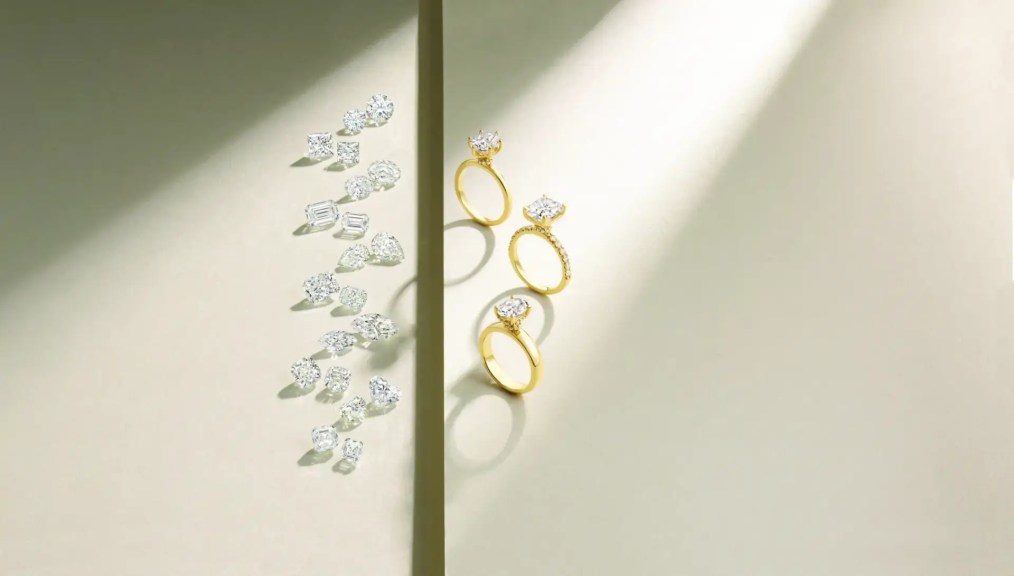
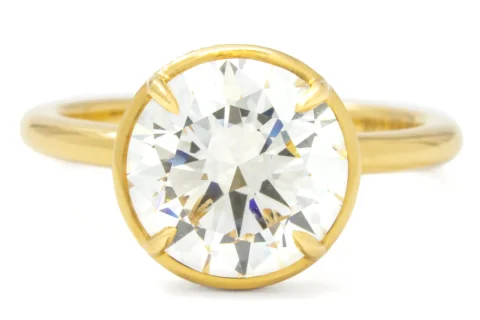
To the naked eye, they look identical. Even jewelers use specialized equipment to tell them apart.
Price
Lab‑grown diamonds are typically 30–70% less expensive than natural diamonds of the same size and quality. This is the biggest deciding factor for many Beaver County shoppers.
Origin
- Natural: formed by the Earth
- Lab‑grown: created using HPHT or CVD technology
Both are real diamonds — just with different stories.
Environmental & Ethical Factors
Lab‑grown diamonds avoid mining entirely. Natural diamonds, when sourced responsibly, support mining communities and follow strict modern standards.
Long‑Term Value
Natural diamonds tend to hold value better over time. Lab‑grown diamonds offer incredible beauty for the price, but their resale market is still developing.
Which Diamond Is Right for You?
There’s no “one‑size‑fits‑all” answer — only what fits your priorities.
Choose natural diamonds if you want:
- A rare, traditional stone
- Strong long‑term value
- A diamond formed by nature
Choose lab‑grown diamonds if you want:
- A larger stone for your budget
- A modern, ethical option
- The same sparkle at a lower price
Both are durable. Both are beautiful. Both will last a lifetime.
Why Beaver County & Pittsburgh Shops at Sieger’s Jewelers
Whether you’re from Beaver, Rochester, Brighton Township, Chippewa, Monaca, Wexford, Sewickly, Pittsburgh or Cranberry Township, Sieger’s Jewelers has become the go‑to place for comparing natural and lab‑grown diamonds side‑by‑side.
Customers love that they can:
- See both options in person
- Compare sparkle, size, and price
- Get honest guidance from a local jeweler
- Choose a diamond that fits their budget and their story
We don’t push one option over the other — we help you find the diamond that feels right.
Final Thoughts
The best diamond is the one that fits your style, your values, and your budget. Whether you’re drawn to the timeless beauty of a natural diamond or the modern brilliance of a lab‑grown stone, Sieger’s Jewelers is here to guide you every step of the way.